I'm going to try to make documentation a bit more of a diary this week. We currently have six FDM printers at LABoral, 3 RepRaps and 3 Ultimakers. Two of the RepRaps are based on BCN3D RepRapBCN, one of the first models if not the first from this company based in Barcelona, and have little modifications as original SolidWorks files were available for this model. The other one is a P3Steel, which is a Prusa i3 with zinc steel frame.
The Ultimakers are the most recent ones and they are not yet at the fabLAB but on the main exhibition room as part of the exhibition Materia Prima. This exhibition comisioned by Gehrfried Stocker is part of the EDASN project and as a way to take new artistic processes to the public, a series of labs are part of the exhibition area, one being the Fab Lab. This mini Fab Lab, is equipped with a 400x300 mm laser cutter, an Ultimaker 2, an Ultimaker Go! and a BQ Ciclops scanner. The other Ultimaker 2 is used by the educational program or for other activities and I can take it this week
So for the printing adjustment assignment I'm planning of using one of the Ultimakers which I didn't really full-tested because they arrived the same week of the inauguration. But what I've printed with them is awesome, we just had a bit of a problem with the extruder pressure on the filament. And I'm really looking forward to print with them as fast as possible.
Now for what I've done with 3D printers even though I've never fully assembled one:
I've leveled beds, and that's on of the worst things on some printers, a bad leveling mechanism could be a bit frustrating. I've found this design to be very useful to check on a bed, even for live adjusting. Also other usual maintenance and some nozzle/extruder change.
I've printed PLA most of the time, but also ABS. PLA is so easy to print, ABS is so tough...
I've explained 3D printing at the fabLAB sooo many times, and I subscribe what is said that people come to the Fab Lab for the 3D printer, but the stay and come back for the laser cutter. I've even wrote a post about it, when we thought that two people would be able to handle our level of activity AND write a weekly post, both in spanish and english for the blog, sorry, we had to drop it.
I've printed some lithophanes most of them of Tesla.
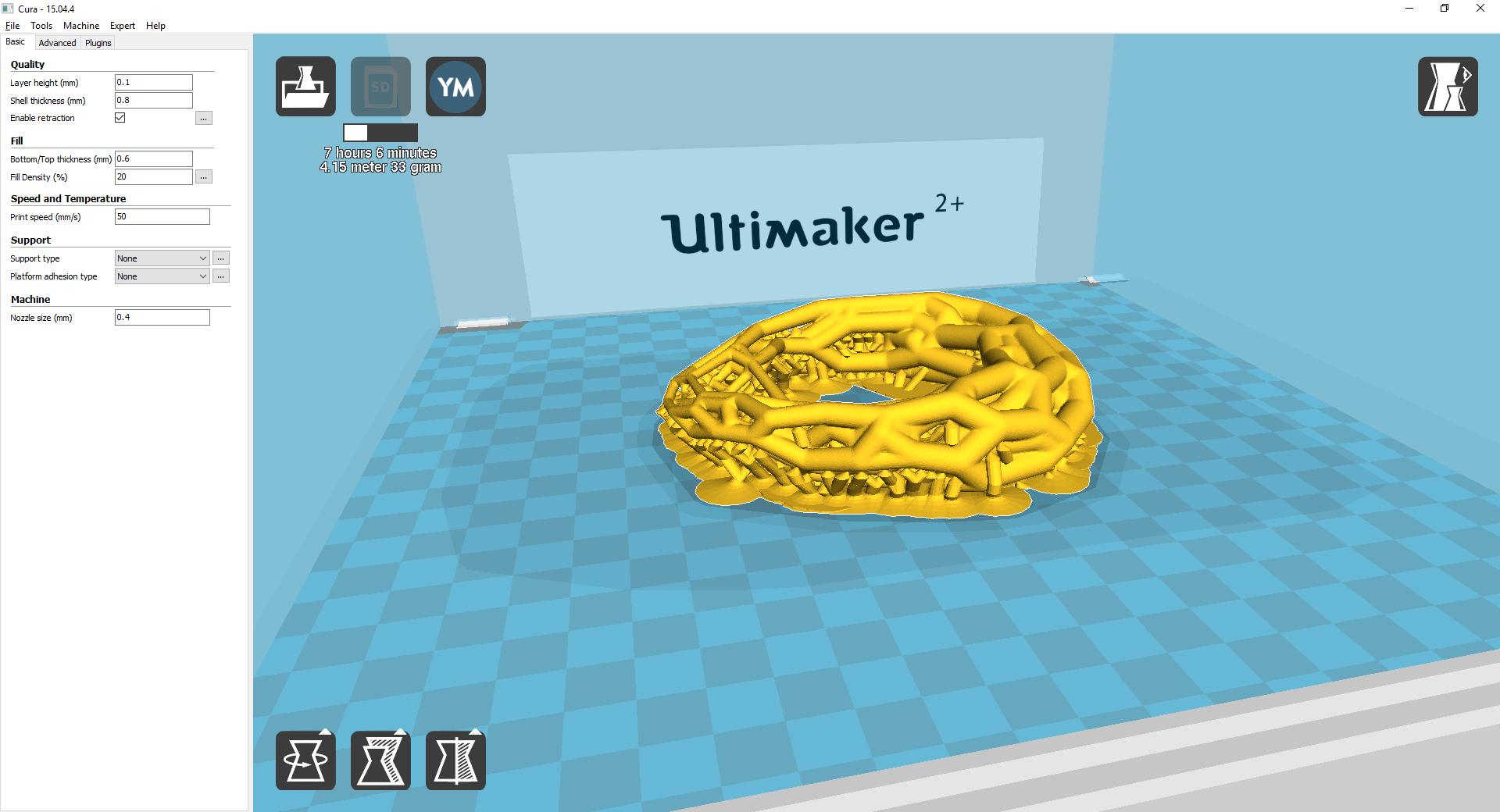
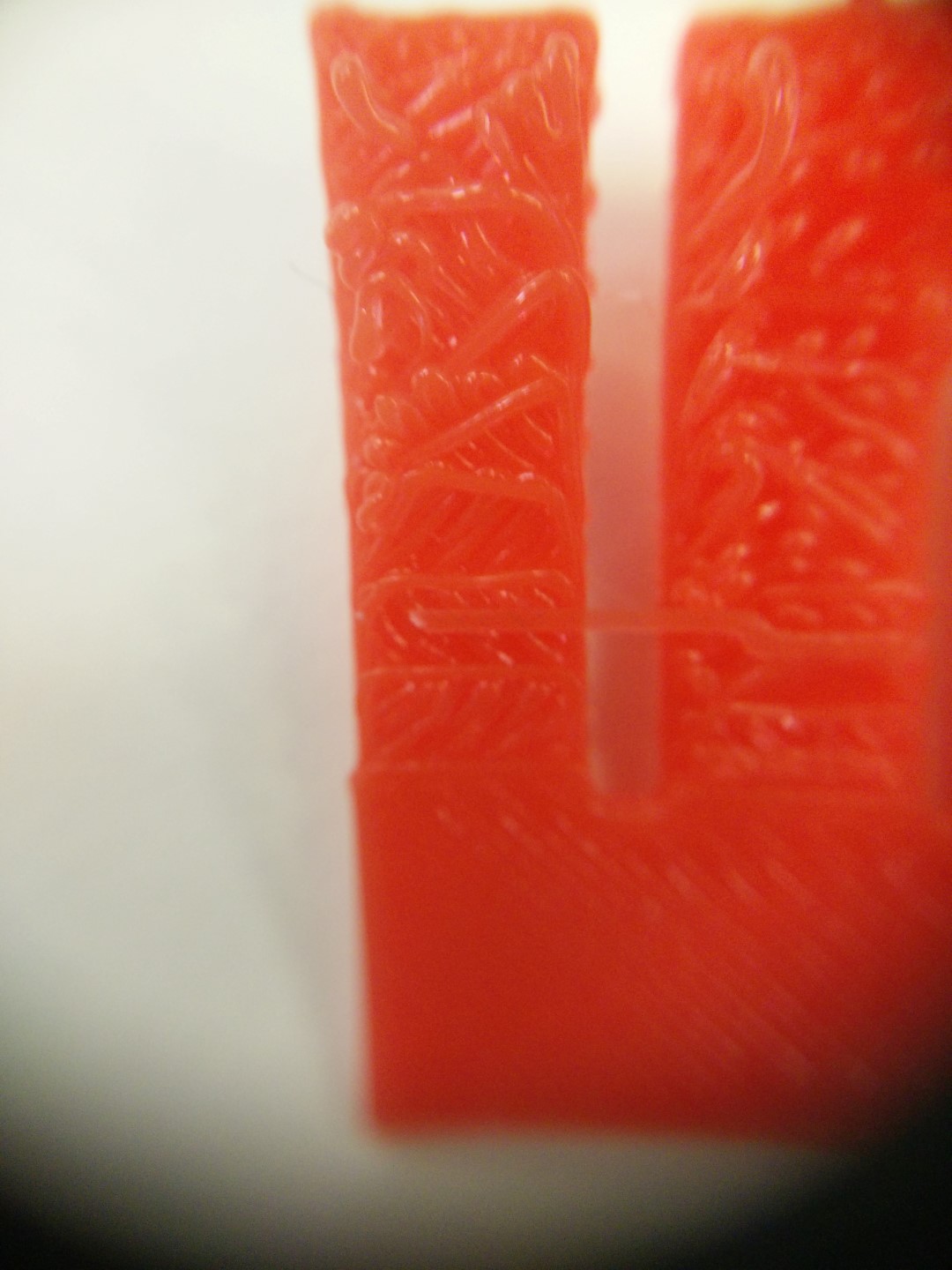
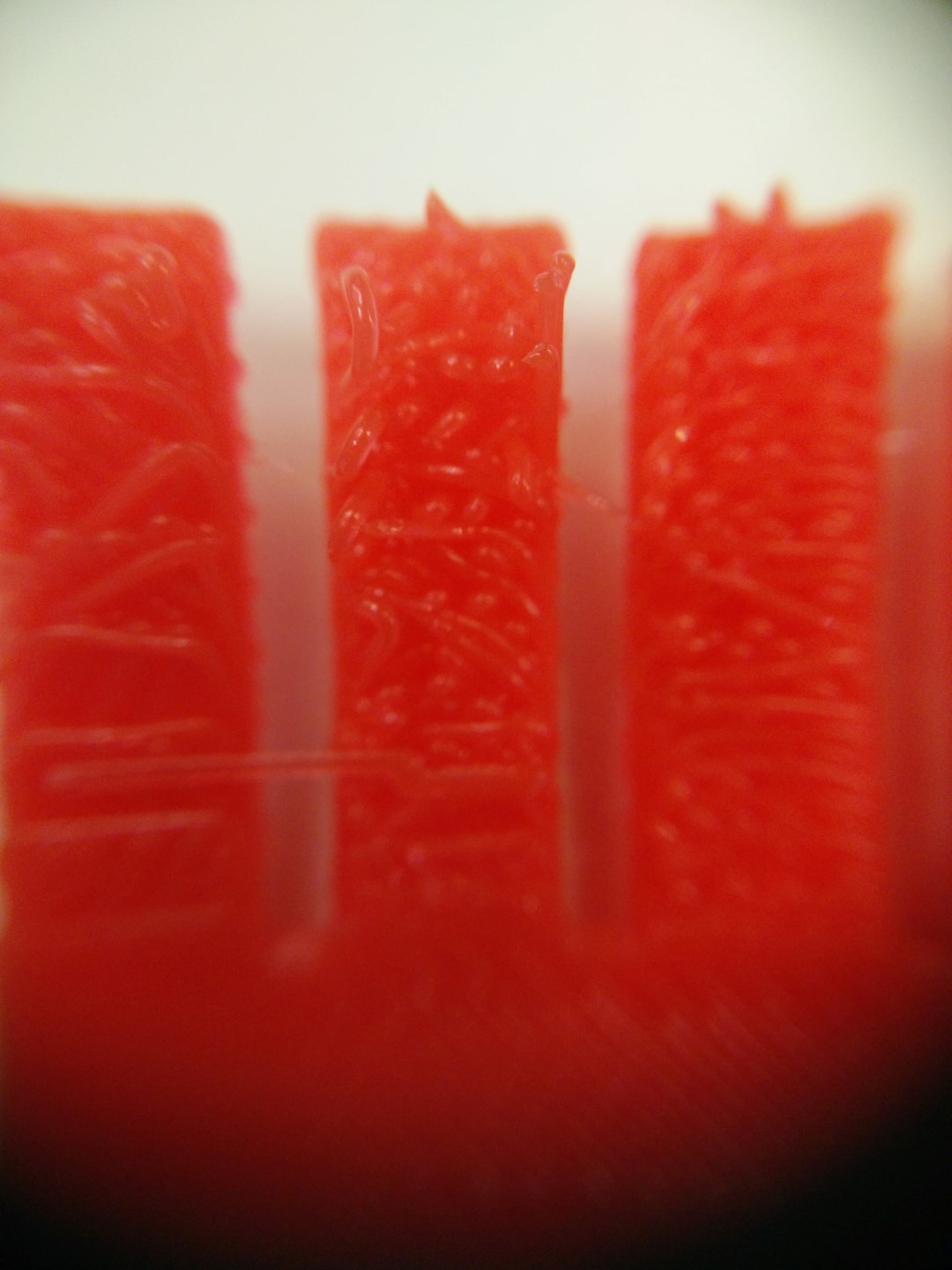
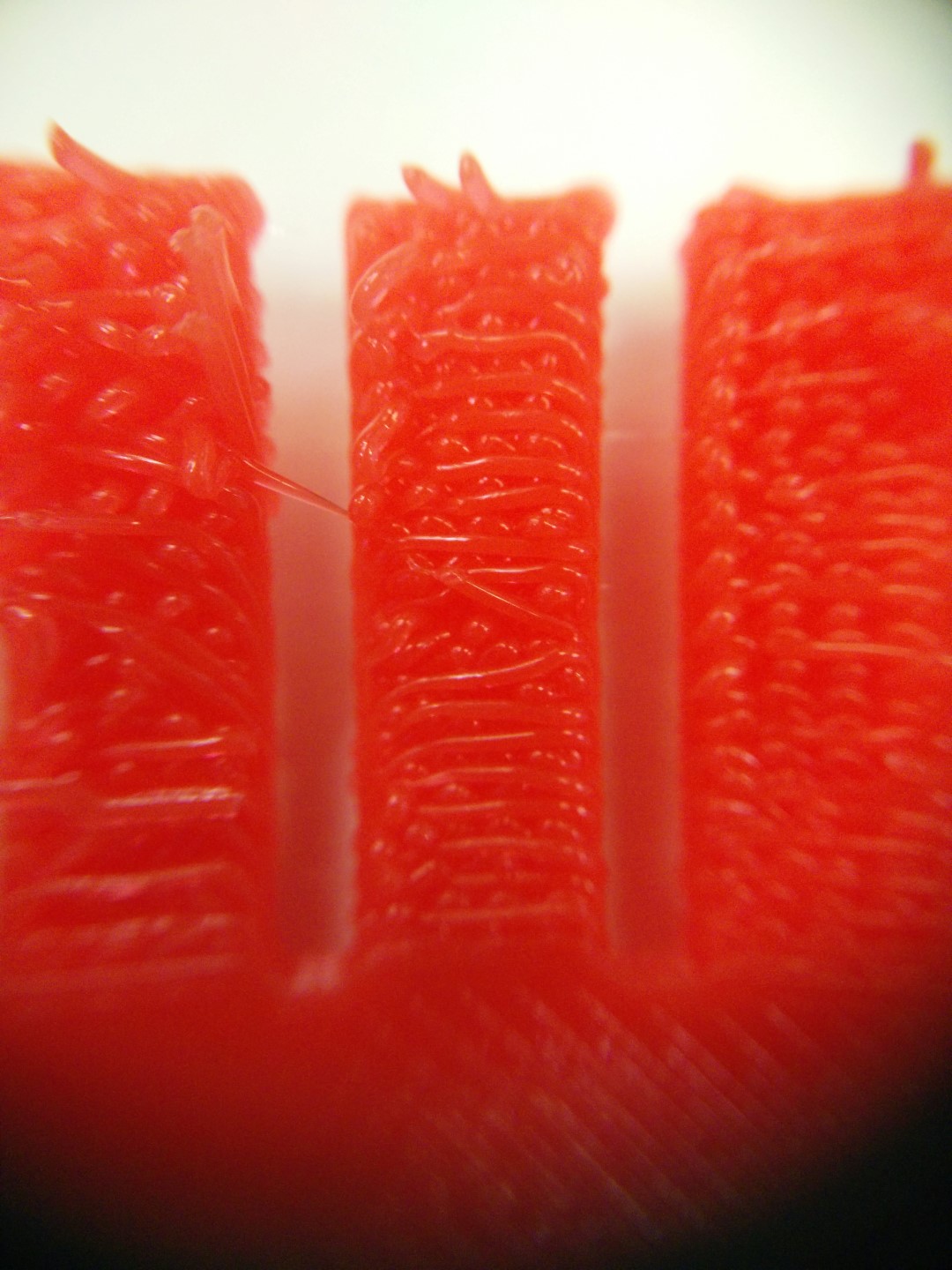
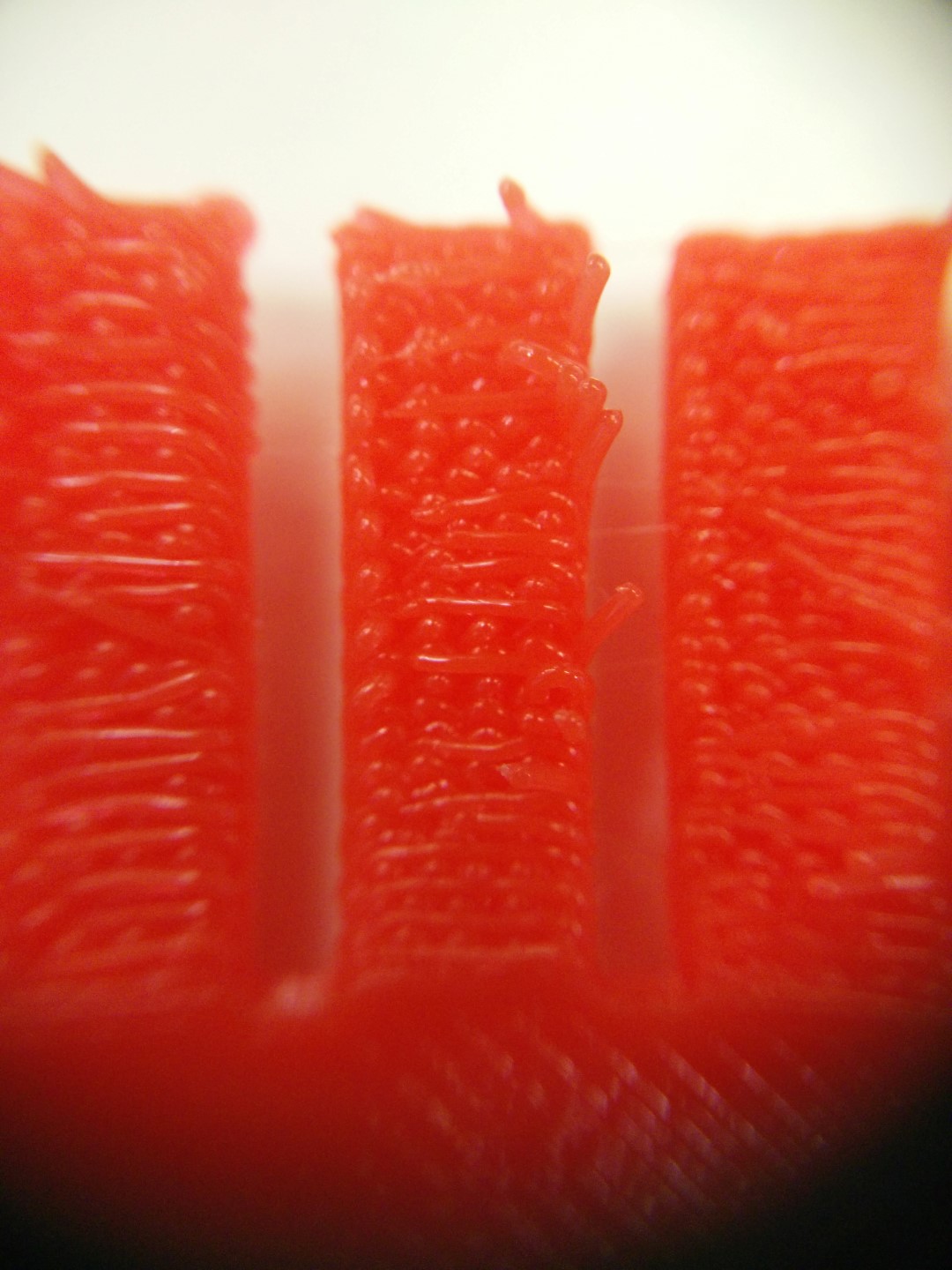
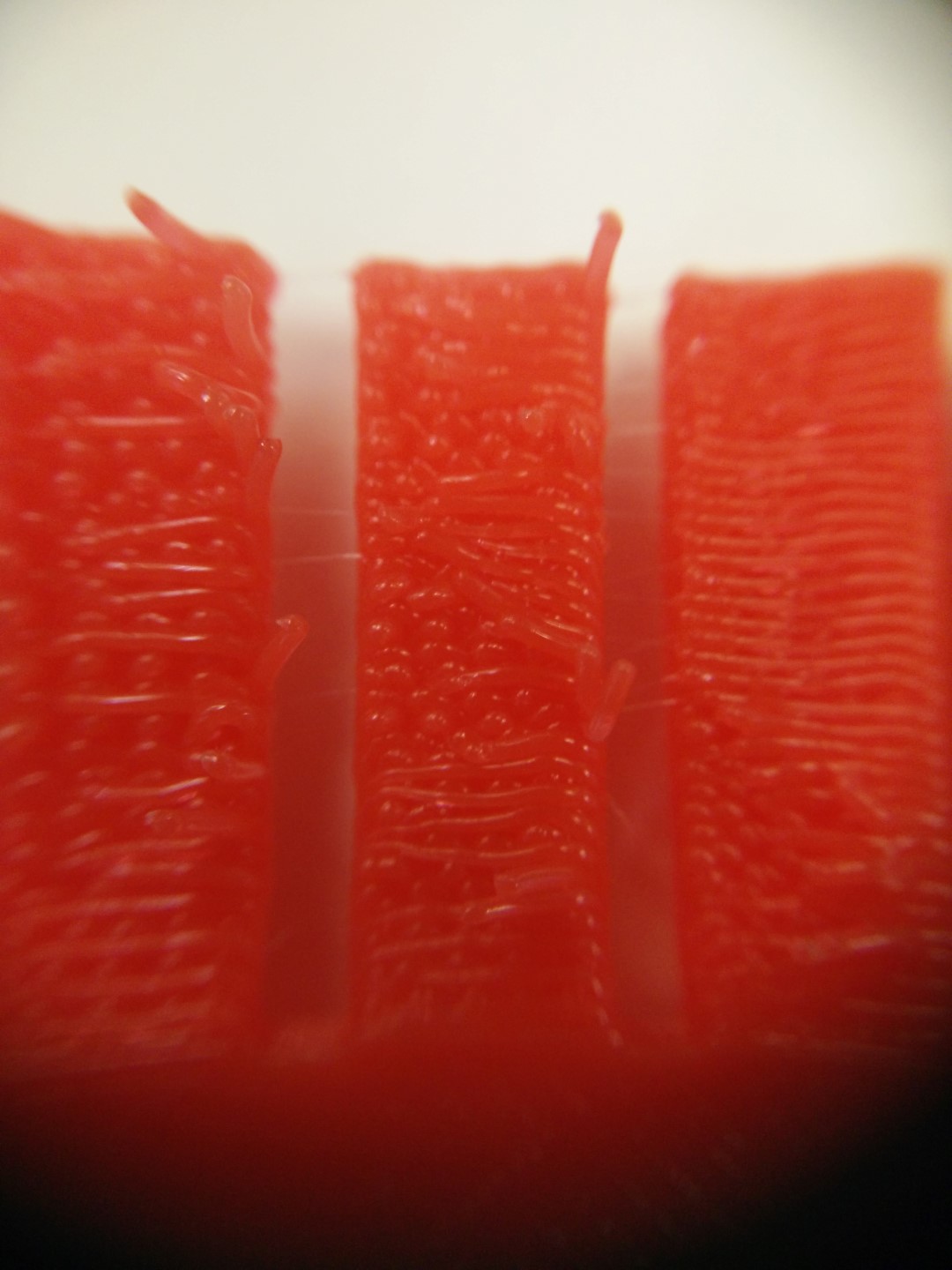
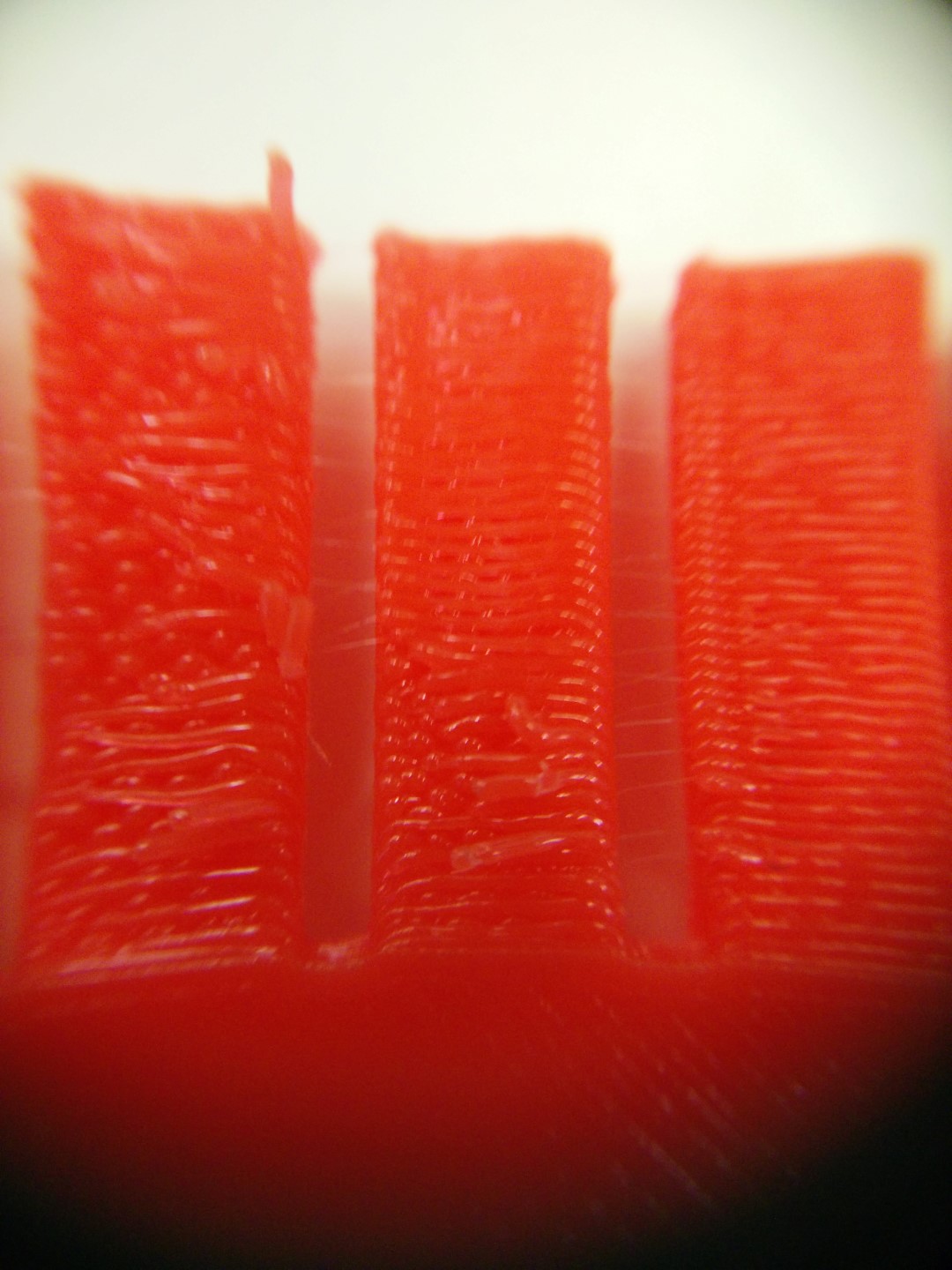
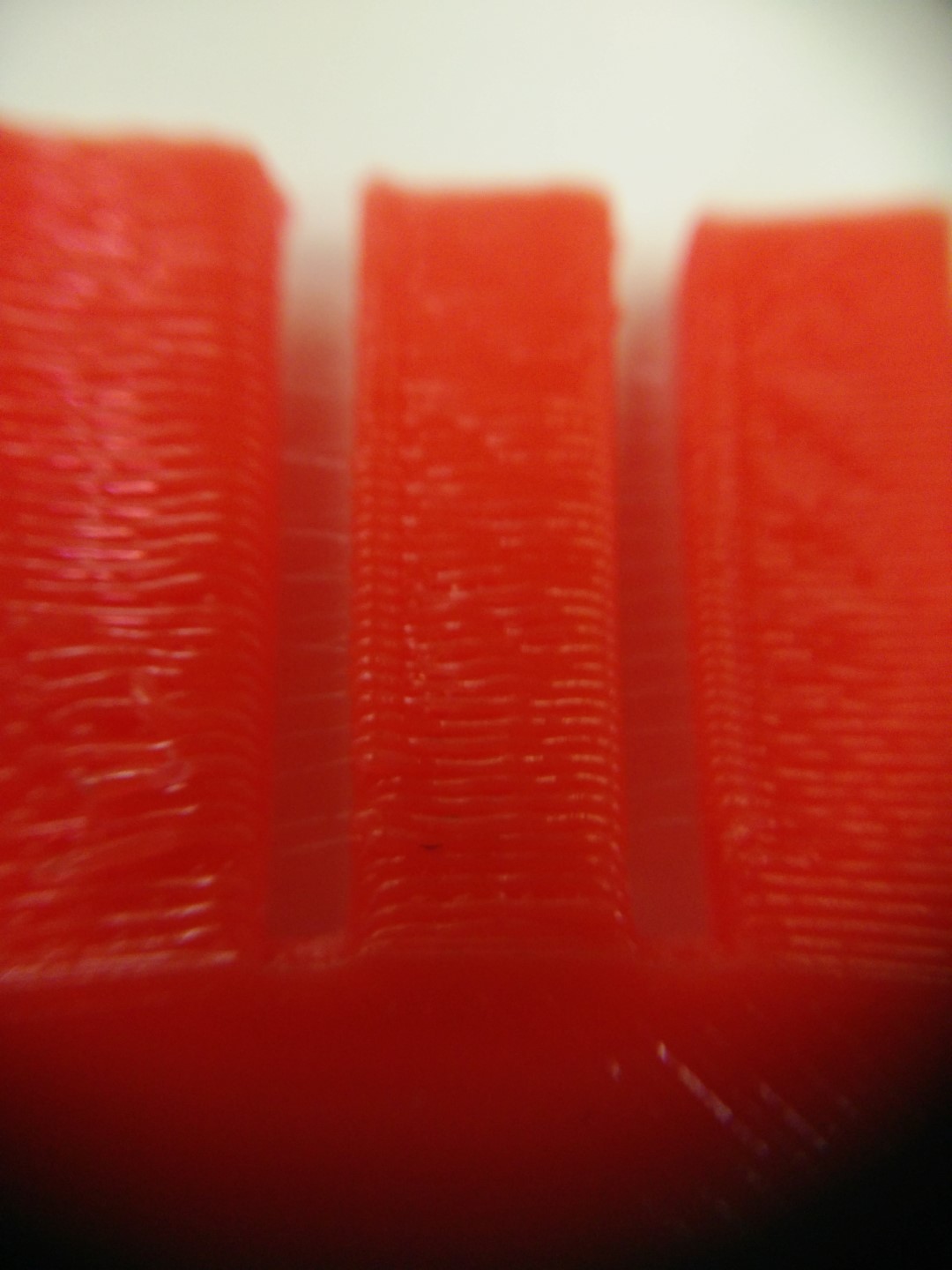
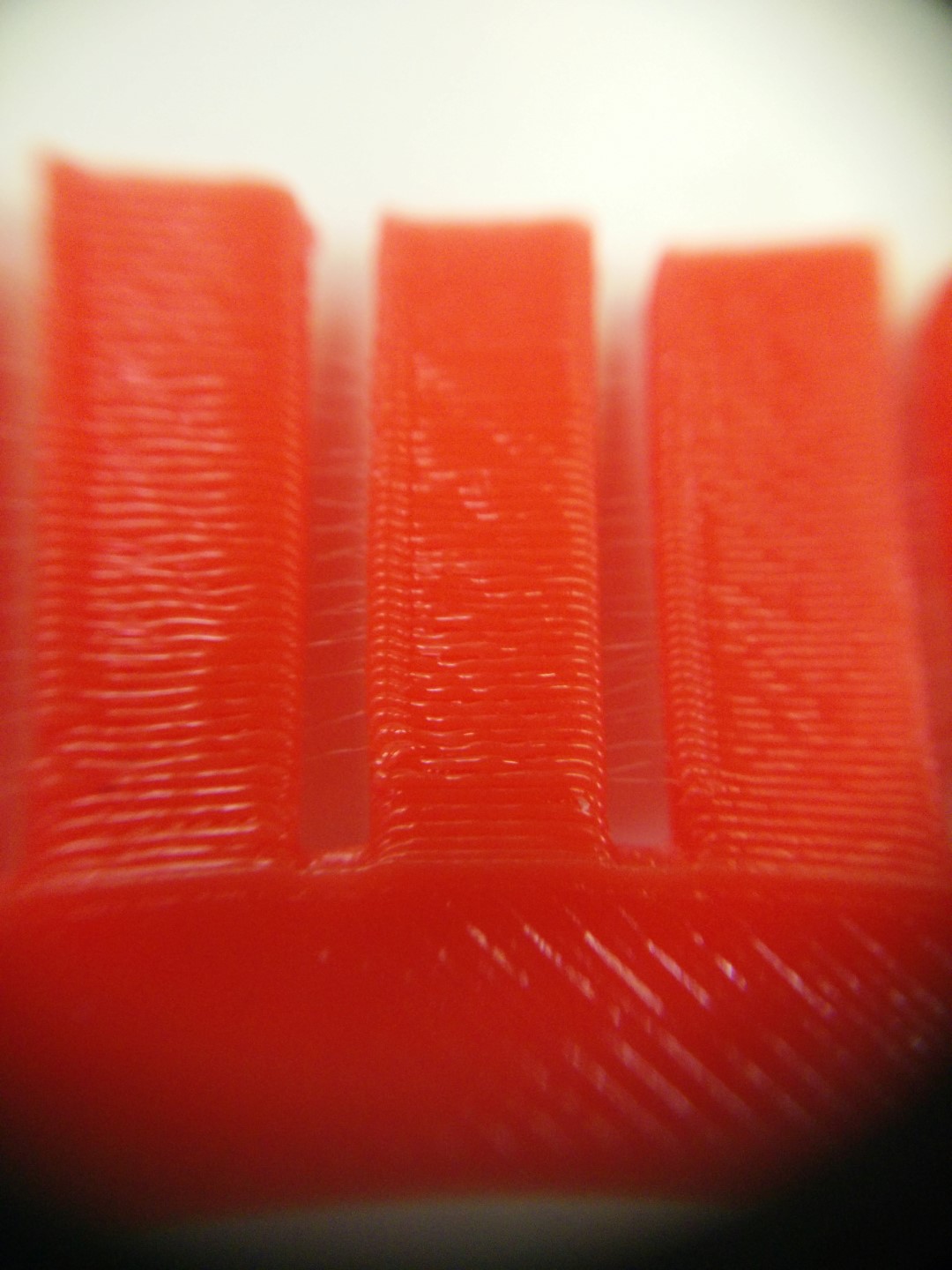
I've printed an RC plane's tail stabilizer both horizontal an vertical sections, with independent control surfaces, trying with 4% to 7% infill. But these are not tested in flight. I've tried different fill patterns being linear the one that made the best inner structure.
I've used Cura and Slic3r most of the time. Cura for when you just need to print something, and Slic3r when you want to be in control of everything and run tests or print more complicated designs. One of the main uses of Slic3r for me is the ability to define a modifier volume with different parameters here there is a great tutorial., I'll try to make a tutorial about this using SolidWorks. But basically what you need is to put the part you want to make an assembly and save each part as an independent STL file from that assembly. That way it will keep the relative coordinates and you'll have the modifier where you wanted.
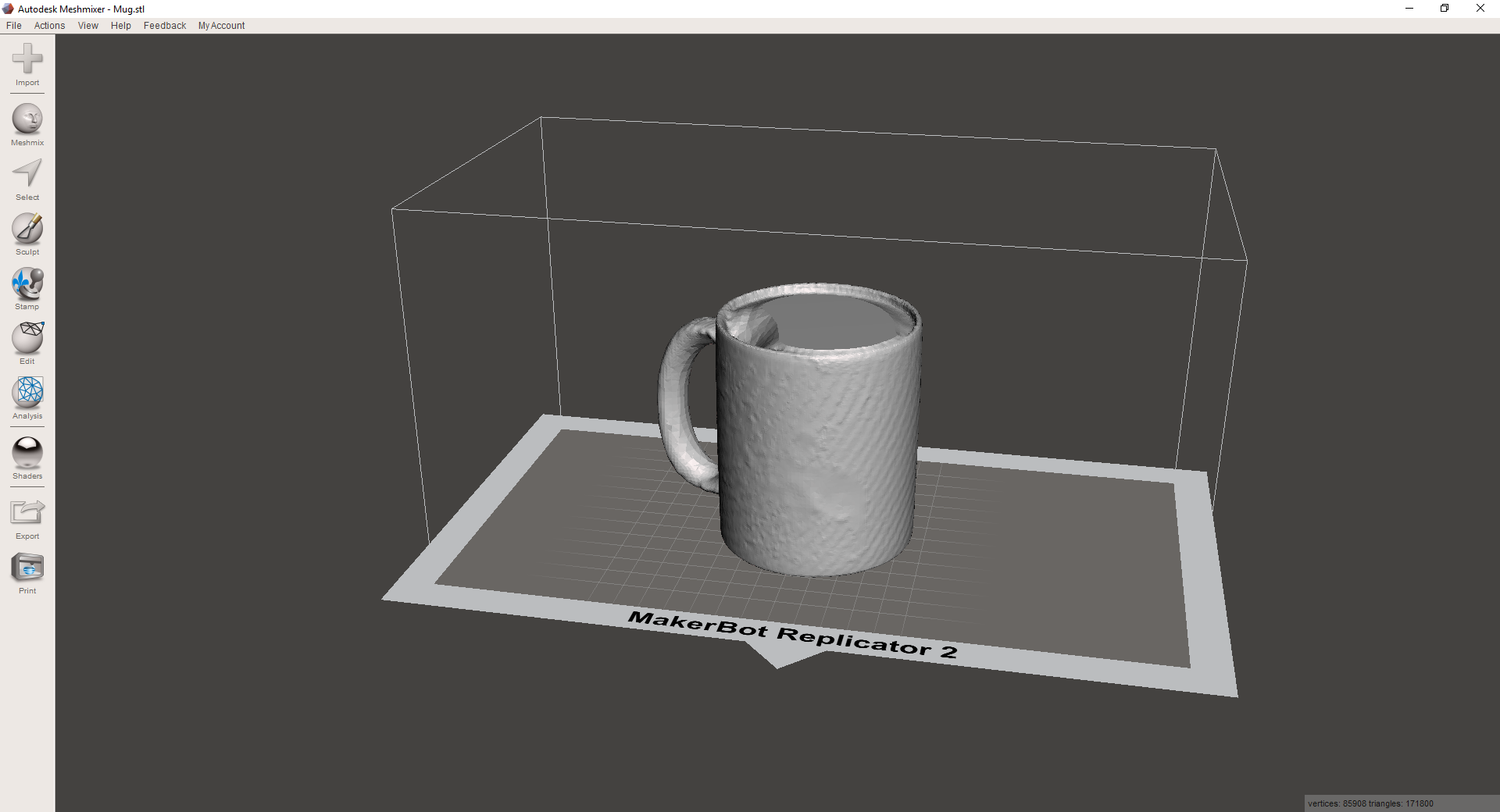
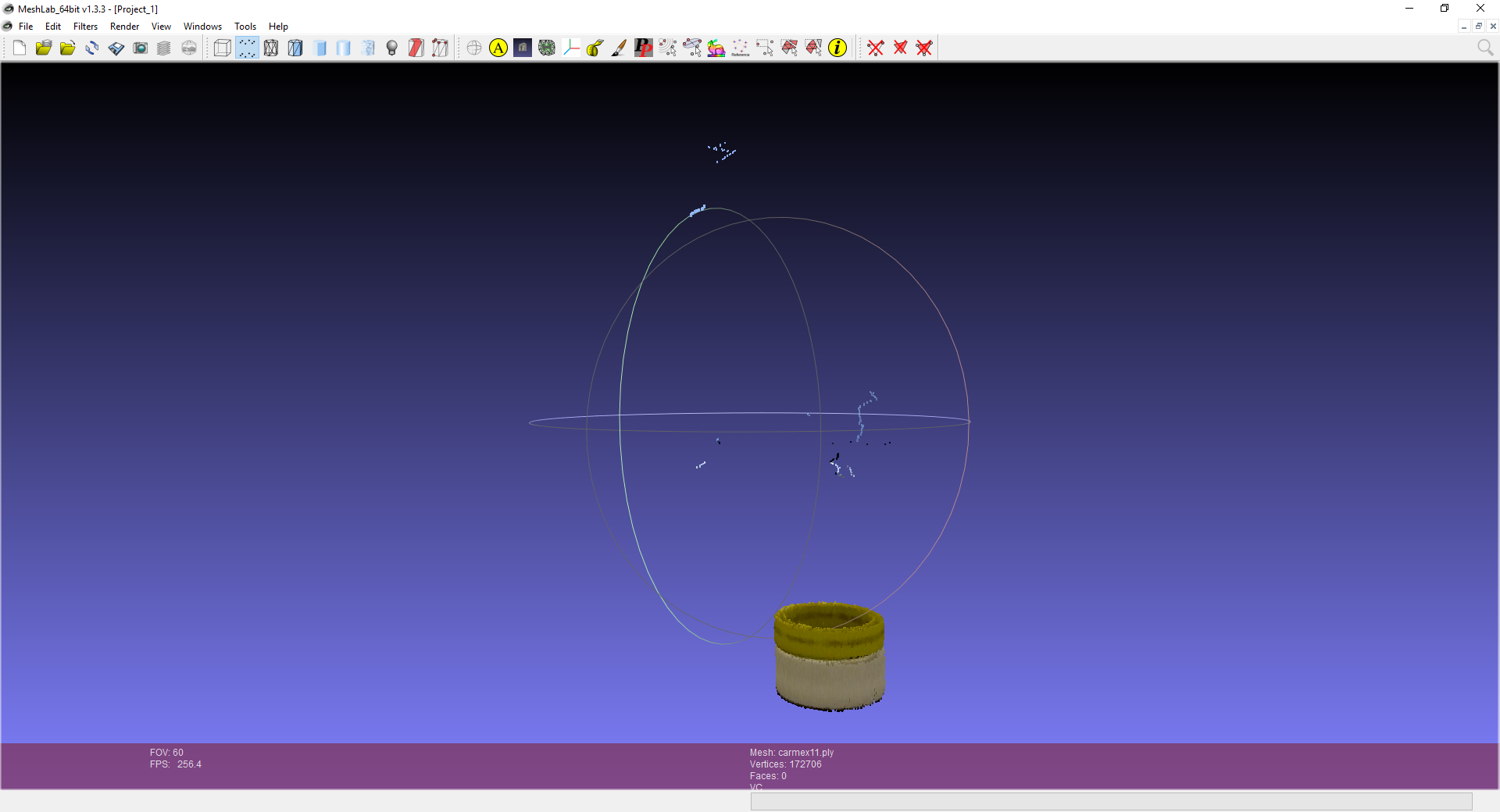
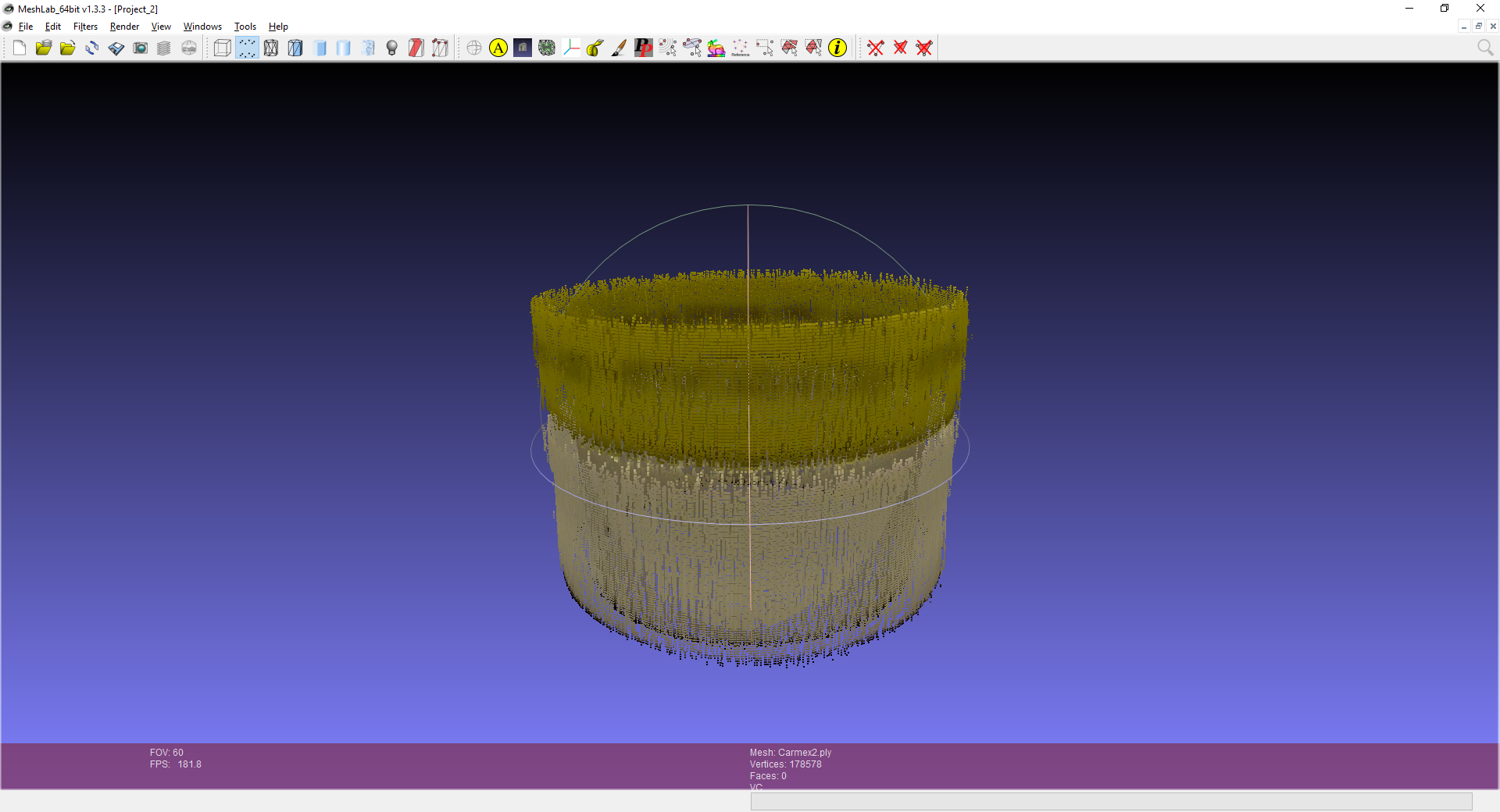
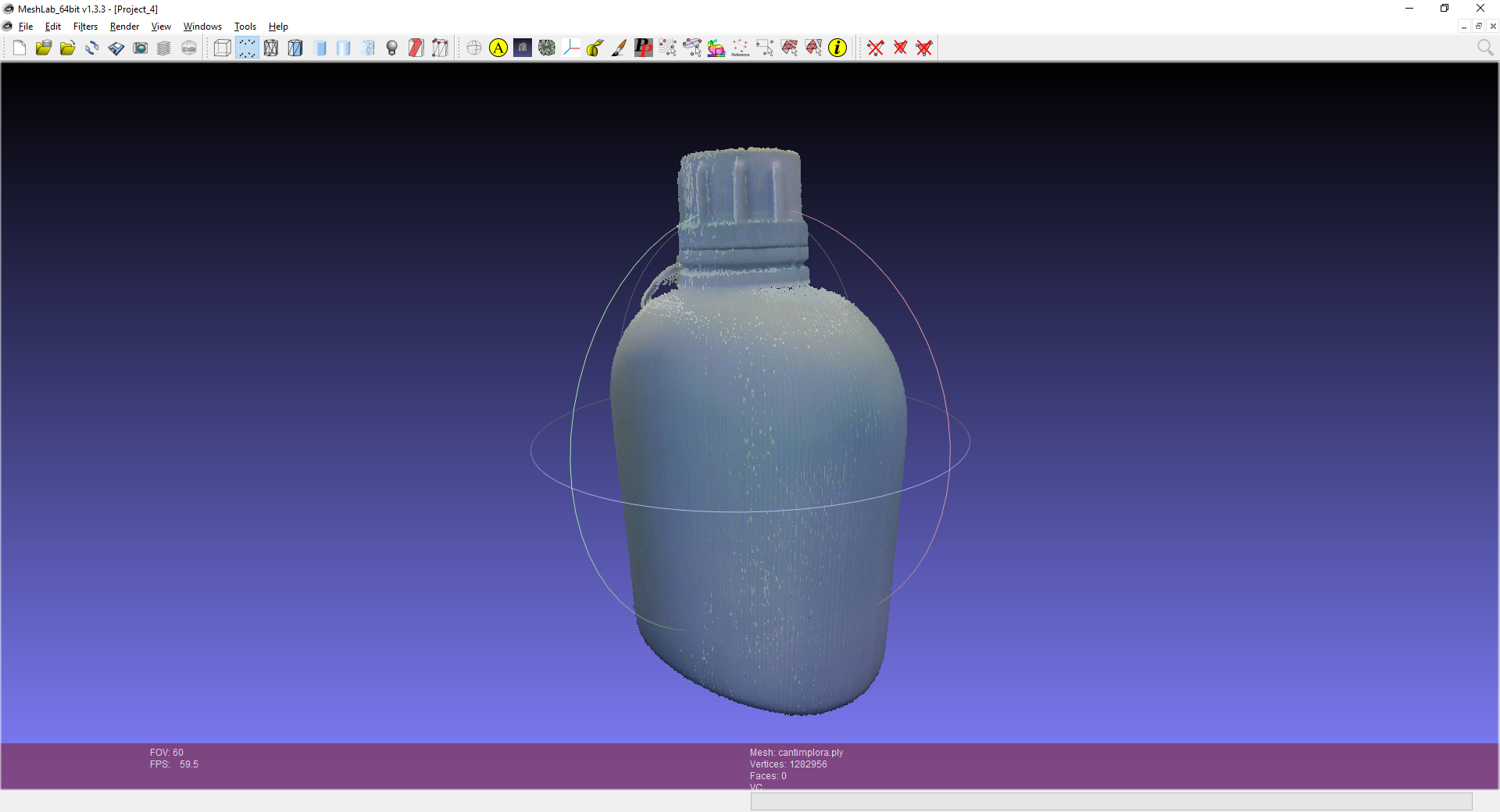
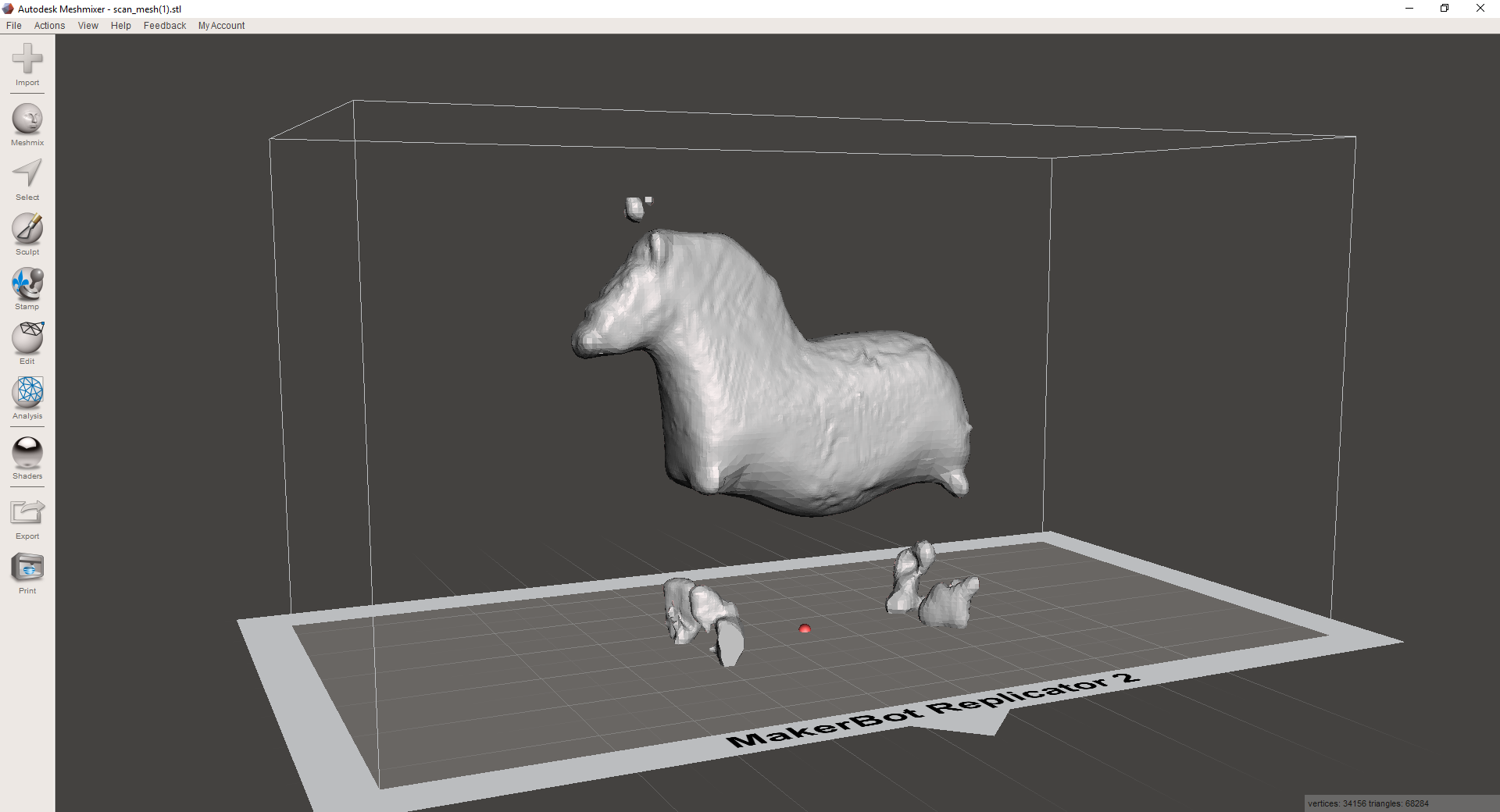
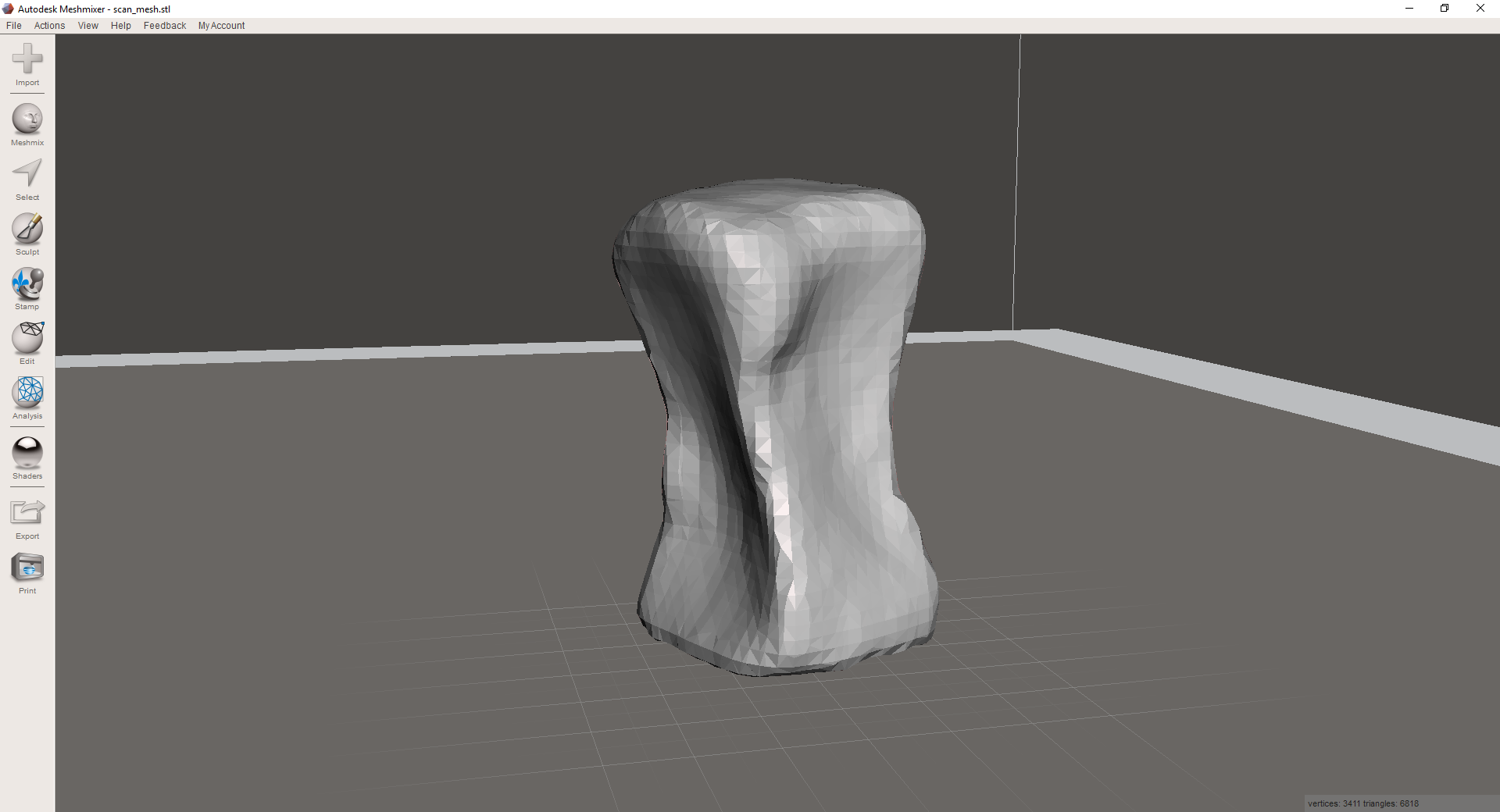
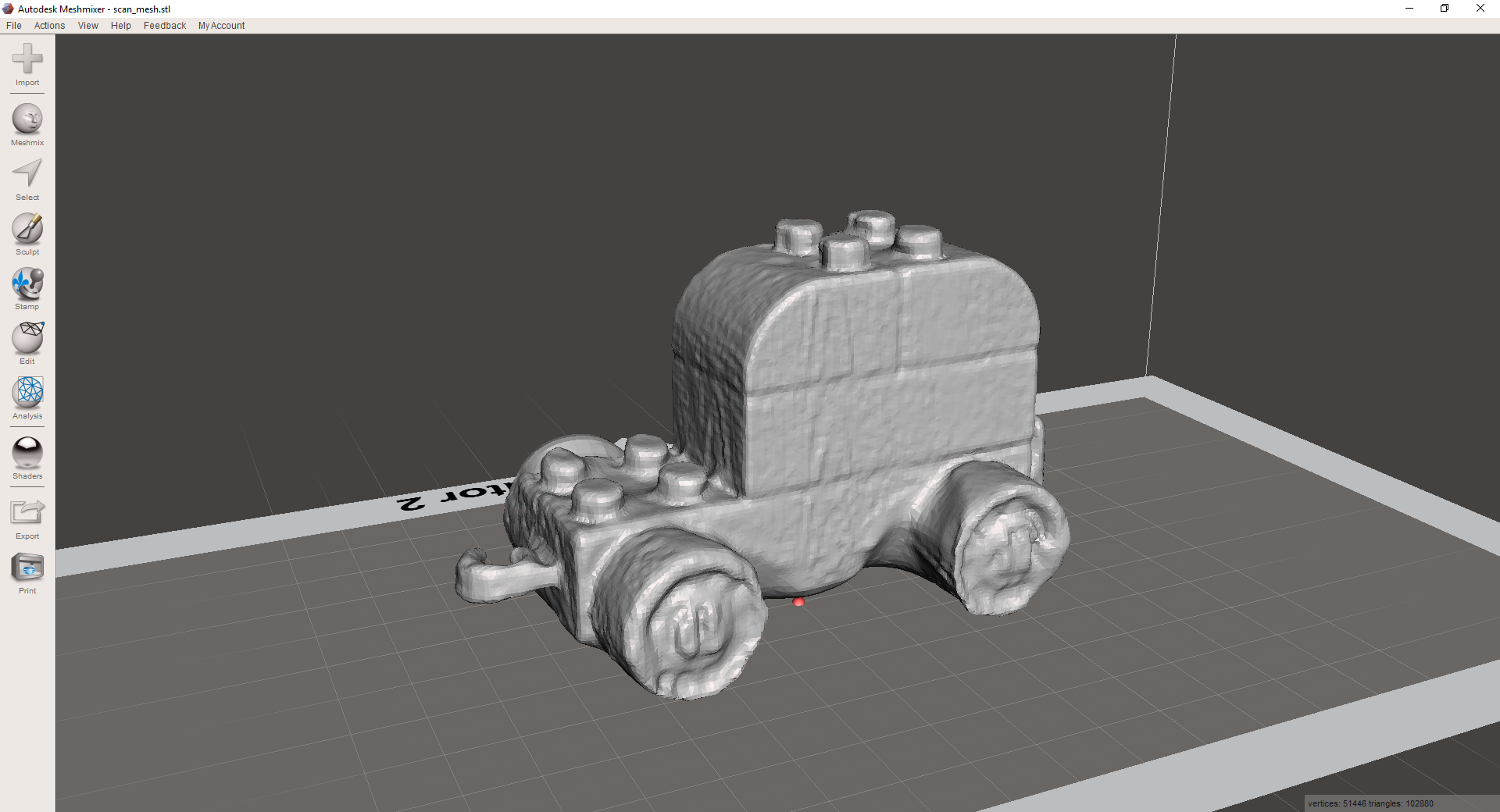
On 3D scanning I've also fulfilled the assignment, but of course I'll try to make something different this week. When we were preparing the Fab Lab for the exhibition Materia Prima, we had for a couple of weeks a MakerBot Digitizer and I've was very interested on having this on the exhibition because it filled the whole ABC/BAC process (Atom to Bit Converter, Bit to Atom Converter) and we could be able to interact with other labs in other exhibitions trough file exchange of hand modeled models. So I started testing the scanner, and it was bad, bad but enough for what we wanted. We didn't have the money to get the MakerBot Digitizer, but the BQ ciclops is quite affordable and we decided to get it. I had one week to test it befor the exhibition. And the conclusion was that the Digitizer dind't let you have many options and the scans were not always good, but you could get some scans ready to print. With the Ciclops you'll have to acquire the mesh on one software and then you can use another couple applications to close the mesh, and it takes a lot of trial and error to get a printable file out of that. This remember was just after a week of testing and not full time at all.
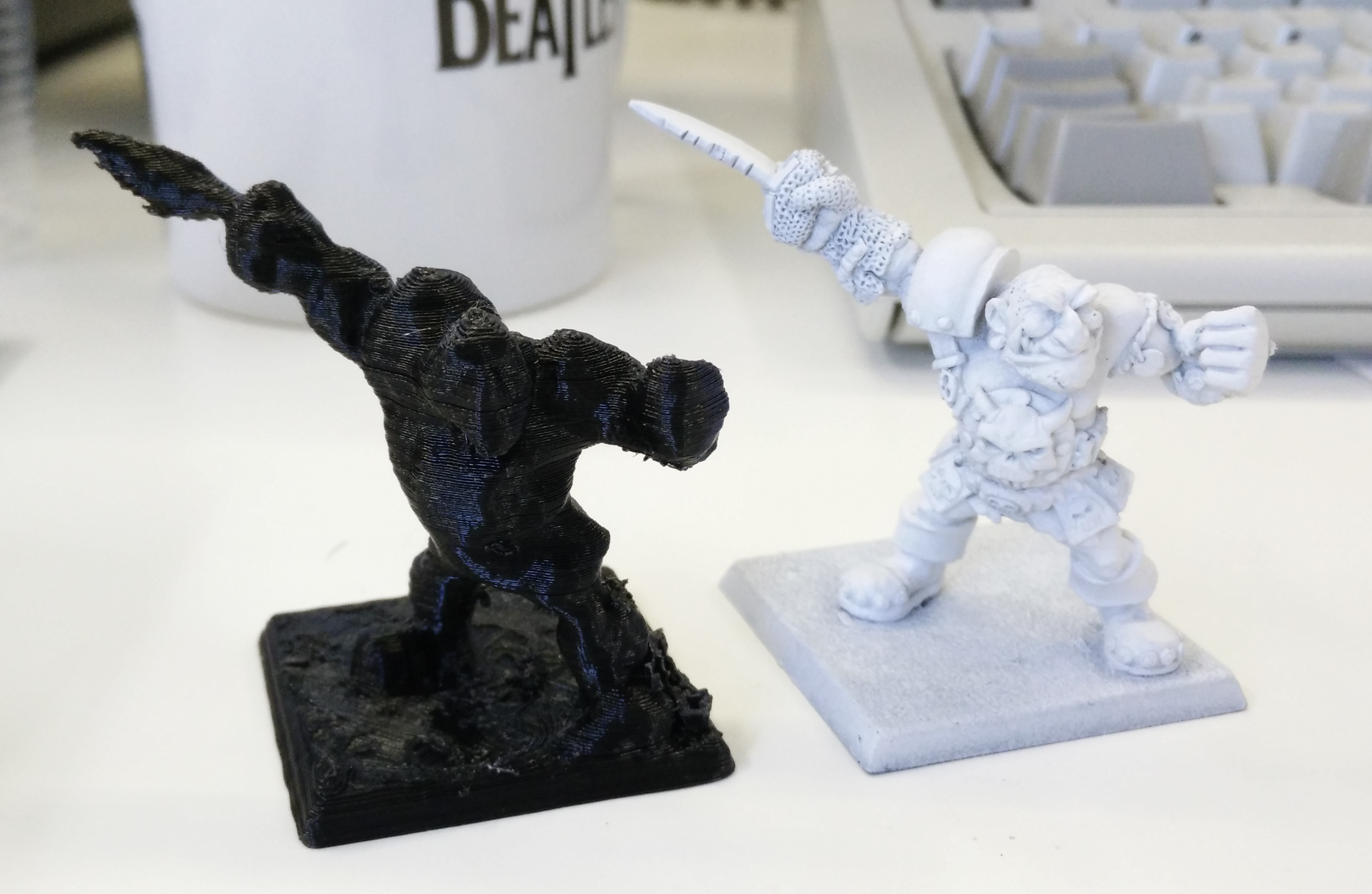
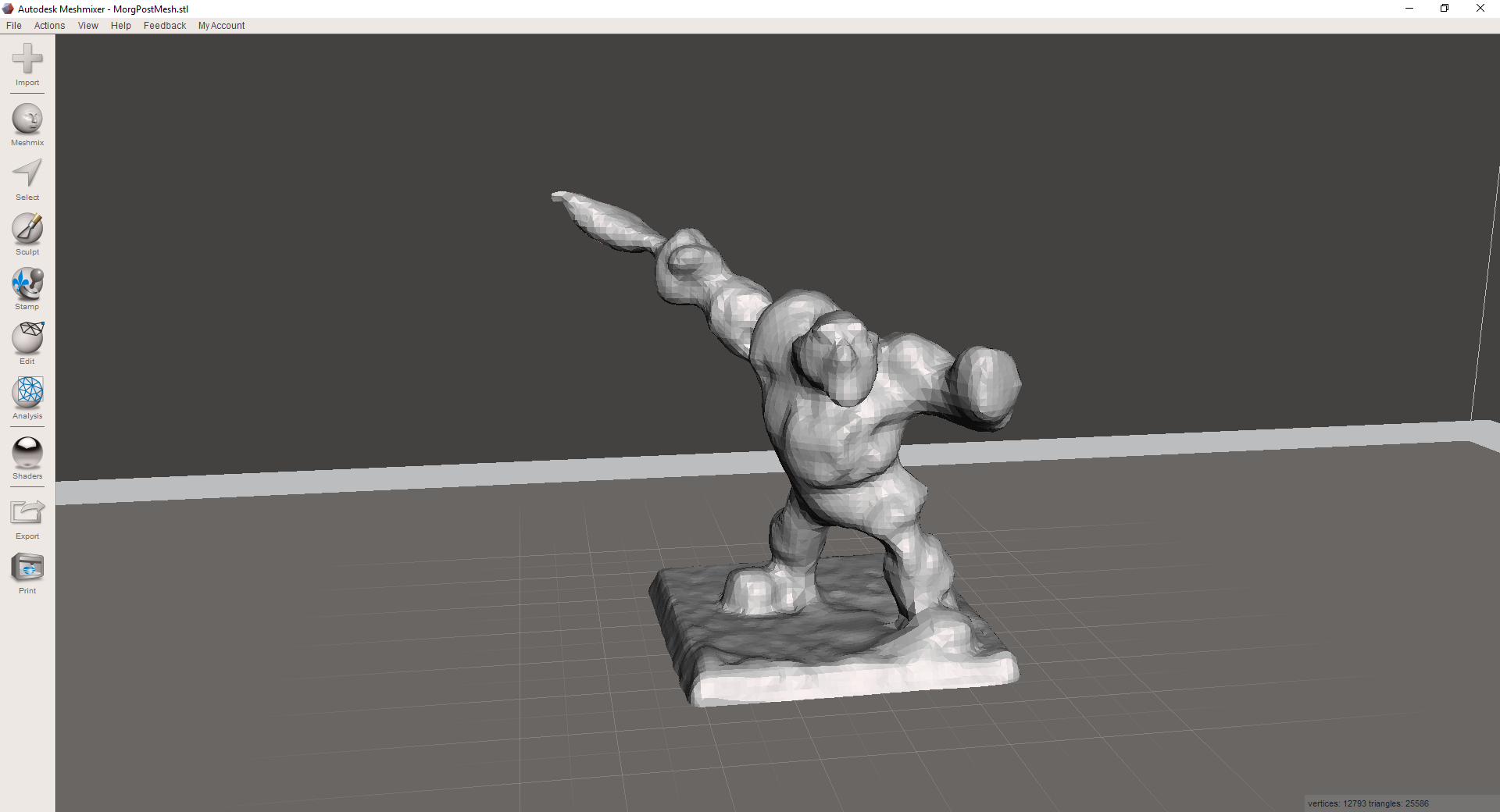
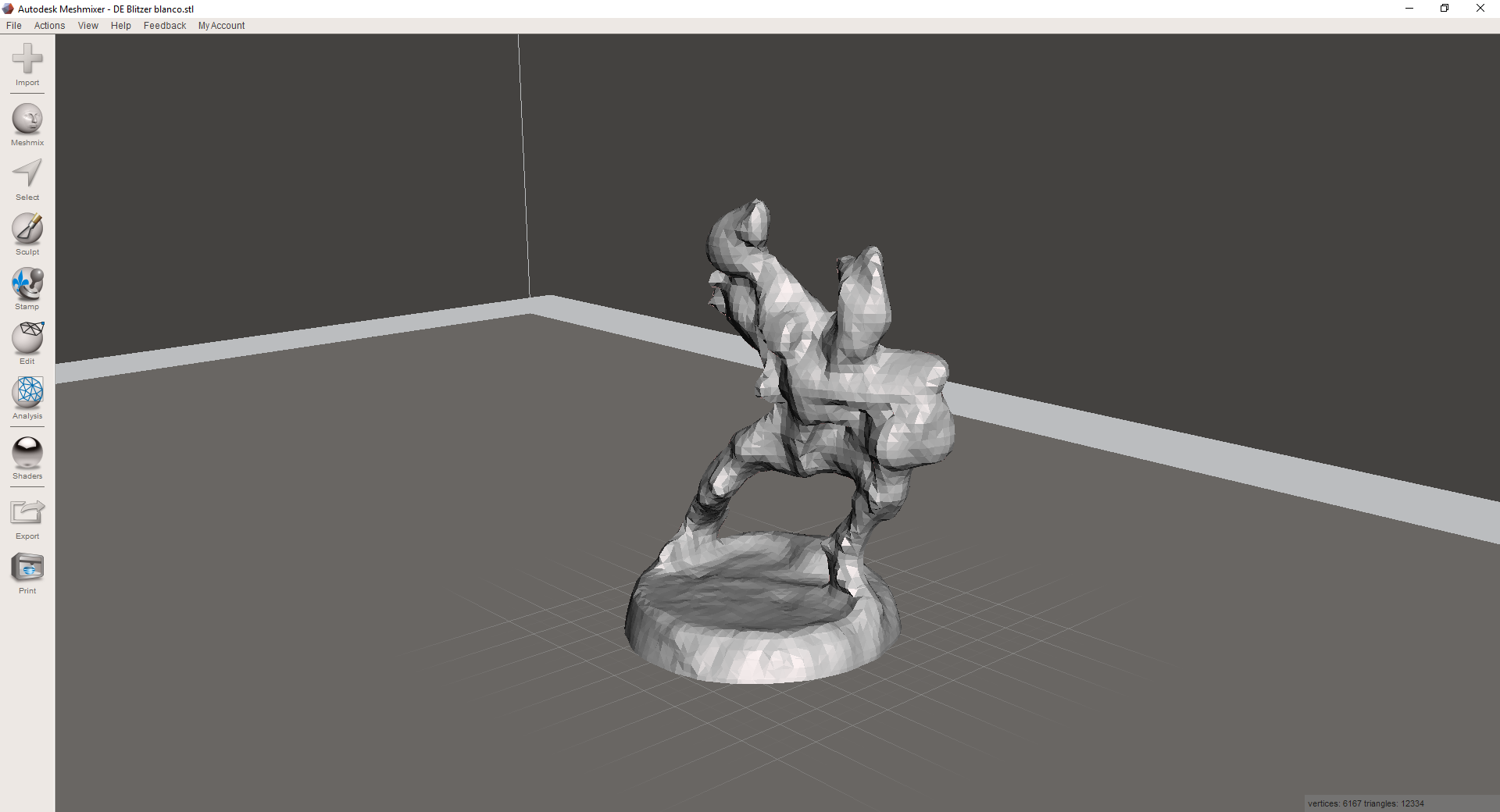
I've scanned several things and I have to look for files, but what I once scaned and printed miniature of Morgh'n'Thorgh, from a miniature-based boardgame called Blood Bowl. It was white primed, and that always worked the best obviously, as black and dark colours would absorb too much from the laser and can leave empty holes (the camera, sees just black, no line). I've also printed it, and the result was way better than I expected, you could at least identify the miniature. I've also tried with smaller miniatures from the same game and they were just ugly blobs. I can show pictures of the scans but not the scan files as this was made with educationa and testing purpose and would be violating copyright if I publish them. Well after reading that, let's just say that I don't have it on my desk and that I've destroyed it as soon as I took the picture.
.jpg)
.jpg)